




Five years in an ambulance, eight years in ventilation technology, today Senior Product Manager for digital wound documentation. Matthias talks about how he found his way into medicine, which wound manager he has already shadowed on the ward, and what he wanted to be when he grew up.
Matthias, you found your way into medicine early on. How did that happen?
I think it started with the volunteer youth fire brigade. The world of sirens and flashing lights always fascinated me. Then one thing led to another, and instead of military service I did a year of voluntary social service with a medical transport team: taking people with disabilities to appointments, or driving elderly people from home to the doctor.
That was run by the ambulance service, which is how I got my first contacts in that world. Next came the paramedic training, including placements at the ambulance station and in hospital. I enjoyed it so much that I ended up learning far more on my own than the course actually required.
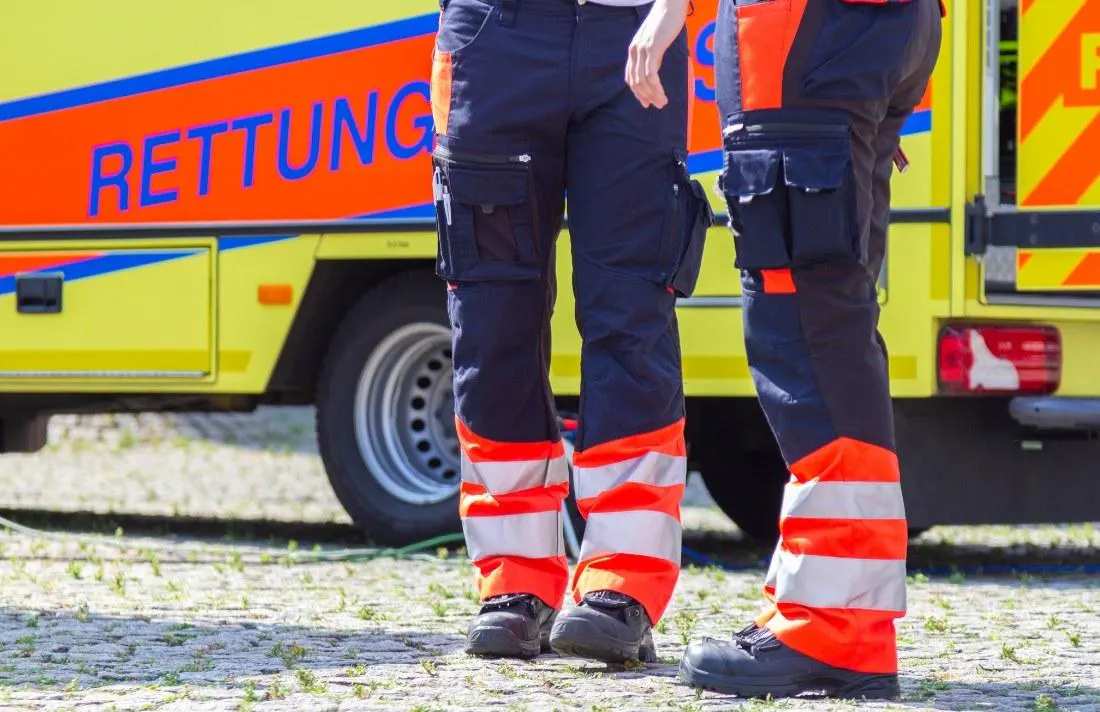 © Canva / huettenhoelscher
So I simply carried on and completed the advanced paramedic course as well. That is a two-year state-certified training after which you take the lead on emergency calls yourself. I did the first year in Chemnitz, where I am from, and the second year at an ambulance station in Cologne.
I then worked there for quite a while. To be precise, I was based at Fire and Ambulance Station 1 in central Cologne. Ten to twelve call-outs on an ordinary day are nothing unusual there. That is a lot, but it is normal in a big city because the distances are short.
 © Canva / Xurzon
That is a great deal of hands-on clinical experience. And after that you spent eight years with a medical device manufacturer?
Exactly. Alongside my time in the ambulance service I also worked in outpatient anaesthesia, and after that came a degree in mechanical engineering in Cologne. My bachelor's thesis then took me to a manufacturer of ventilation technology in Hamburg.
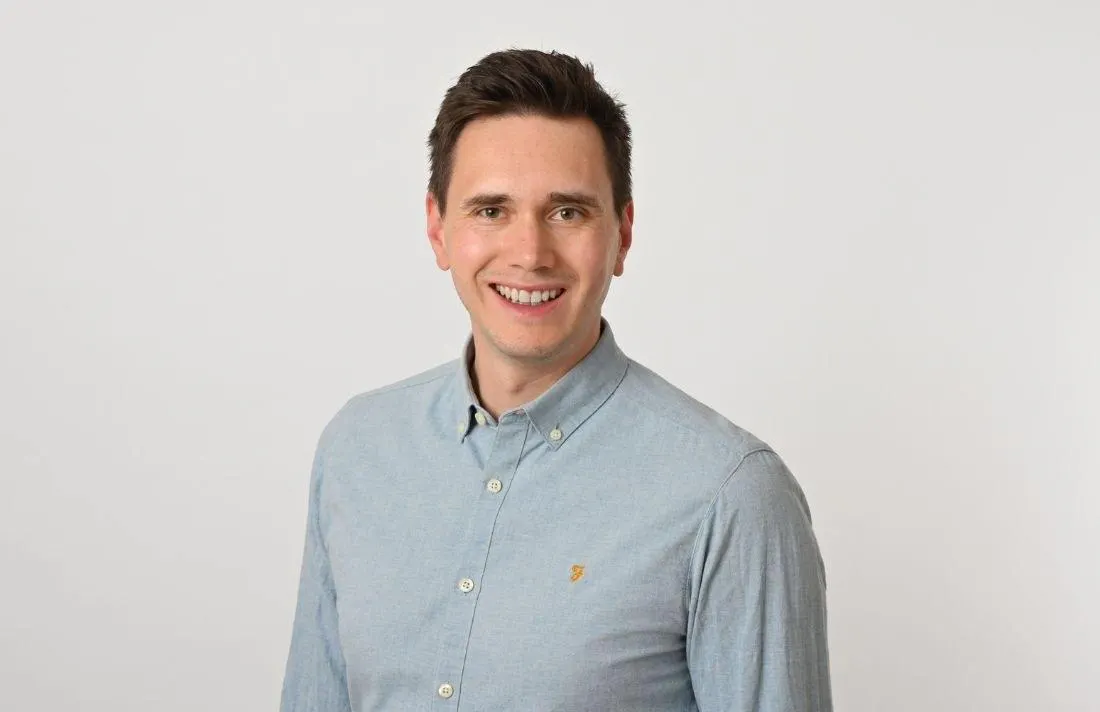 © imito AG / Matthias Lehmann
I realised early on there that what I find most exciting is contact with customers. Understanding what users really need and how to solve their problems. That is why I moved into product management there. We also completed the certification as a Class II medical device. An experience that benefits me a lot at imito.
So you have experience from the clinical side as well as the technical side. What about wounds specifically?
Chronic wounds and pressure ulcers are still new territory for me, which makes it all the more important to learn everything about the subject and about our users' daily work. Shortly after I started at imito, Myriam Seifert, the wound manager at Asklepios Klinik Wandsbek, was kind enough to let me shadow her for a day. She has been using imito for around ten years and was immediately open to the idea.
 © Canva / jondpatton
 © Canva / freemixer